March is always a weird month for me, where I’m both excited about spring coming, but sad that it’s not already here. Today’s roundup fits my disjointed feelings, as I’ve thrown in topics that music teachers tend to focus on in March, such as upcoming performances, fun movement activities, and continued practice with the basic music elements.
How to Plan an Elementary Recorder Concert Without Stress
Recorder concert season is coming up fast, and this post breaks the process into a timeline you can actually follow. One easy way to keep it manageable is to start with a checklist a few months out, then build your theme, repertoire, and concert-day details from there.
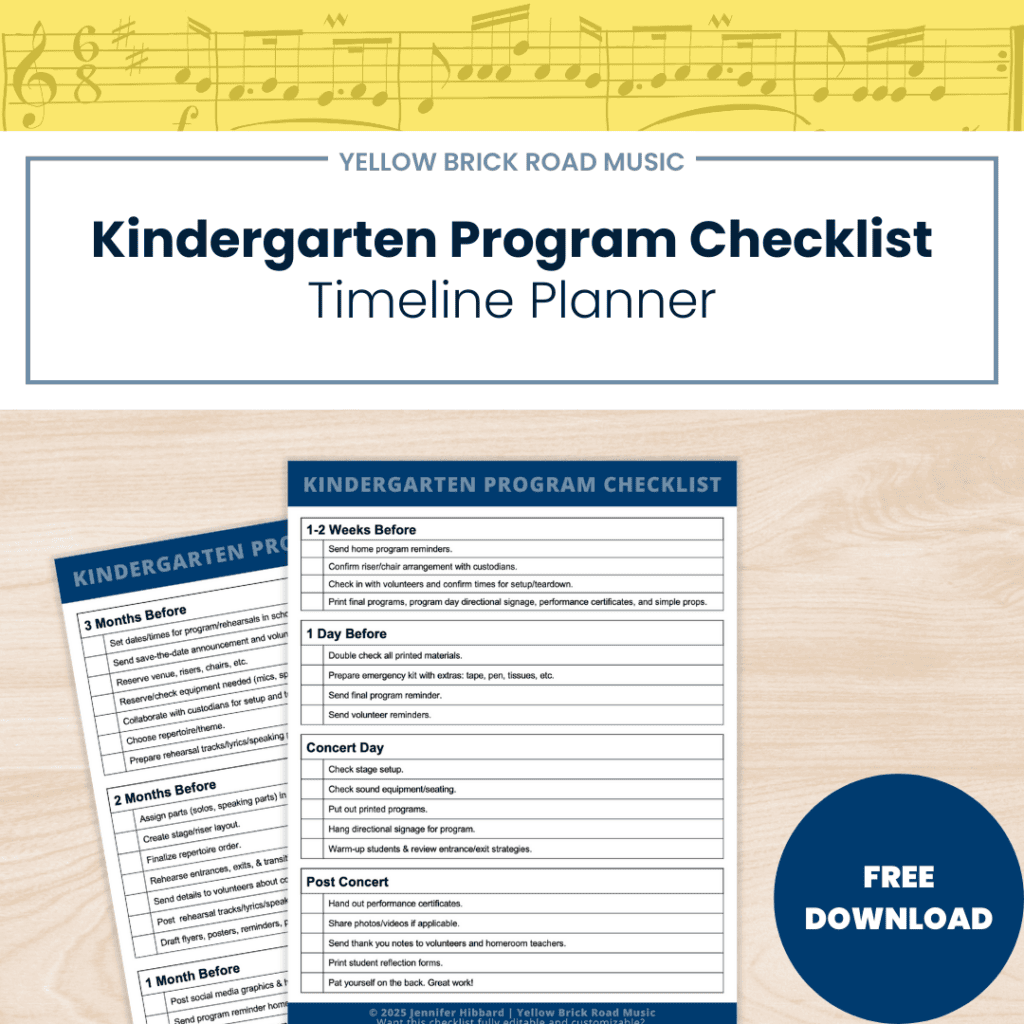
Read How to Plan an Elementary Recorder Concert Without Stress →
Green Sally Up for the Elementary Music Classroom
This is a straightforward clapping game with lots of steady beat practice. You can also turn it into a rhythm stick game with clear right and left hand visuals, then add variations like bucket drumming or simple borduns when you’re ready to add more. There’s also a free printable/projectable to help your students learn the game!
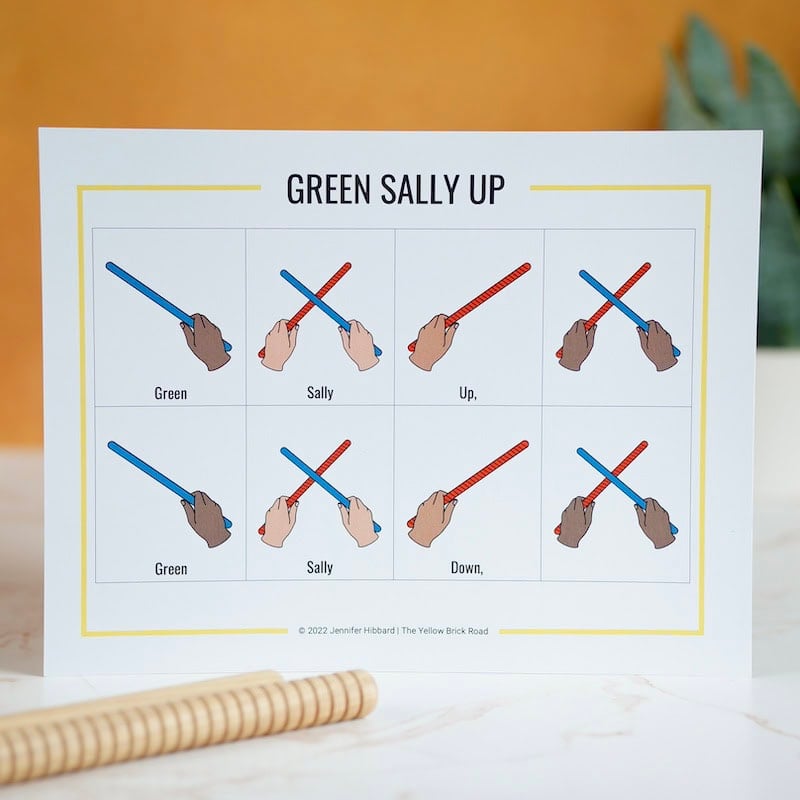
Read Green Sally Up for the Elementary Music Classroom →
Vivaldi’s Spring
Here’s a listening lesson in anticipation of spring: start with steady beat movement (scarves or ribbons work well), move into form with a listening map, then finish with creative movement using paper plates. It gives you structure without becoming monotonous. This post tells you exactly how to do it.
Teaching Timbre with Art Music
This lesson uses Libertango and a wind quintet to help students compare timbre in a concrete way. Listening maps keep them focused on the timbre, and the sequence is simple: watch first, name instruments, add a shaker part on the main theme, then listen again with the map.
Read Teaching Timbre with Art Music →
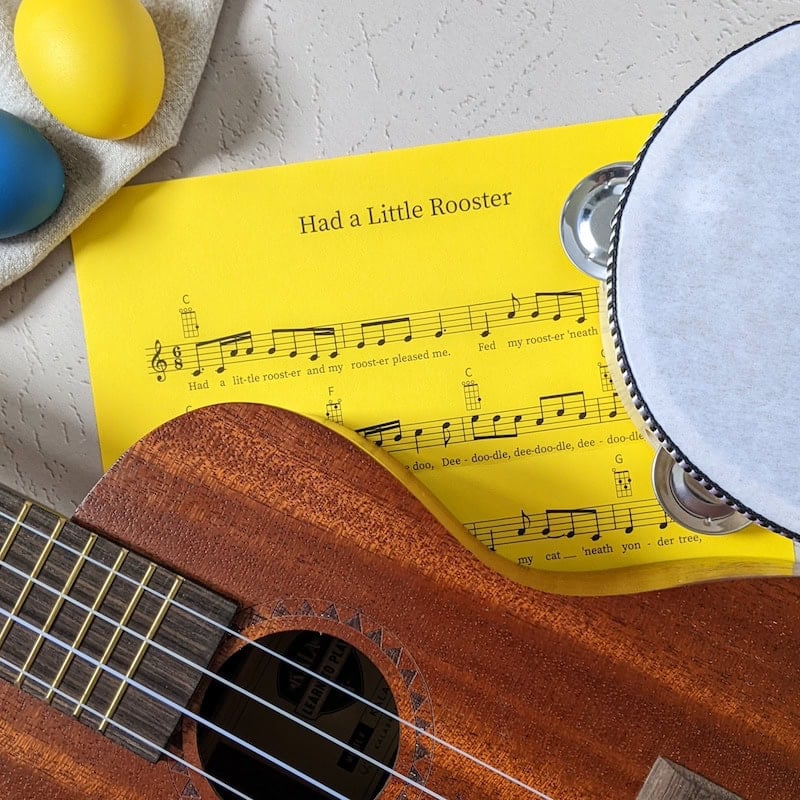
Had a Little Rooster for the PreK Music Classroom
This is an easy listening-and-responding lesson built around animal sounds. Puppets are fun if you have them, but paper animals on sticks work just as well, and the simple three-chord accompaniment (C, G, F) keeps it easy for you and your students.